
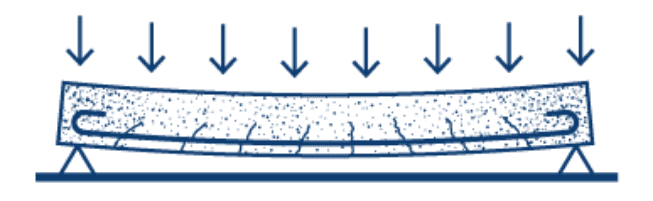

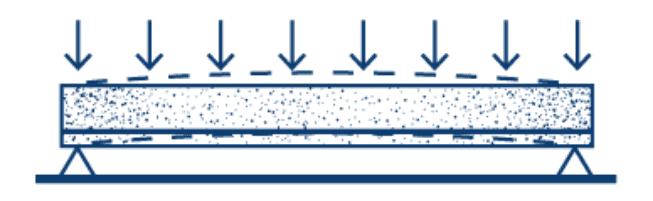
TWO TYPES OF PRE-STRESSED CONCRETE

1) Pre-tension pre-stressed concrete
The beams or elements are constructed on a stressing bed and stranded cable is placed between two buttresses anchored to a stressing bed which holds the force in the stretched cables. After stretching the steel with hydraulic jacks, concrete is placed in forms around the cables and allowed to harden. When the concrete reaches sufficient strength, the pre-stress force is transferred to the concrete by bond when the steel strand at the ends of the beam is cut loose from buttresses. It is usually fabricated away from the job site in a pre-stressing plant.
2) Post-tension pre-stressed concrete
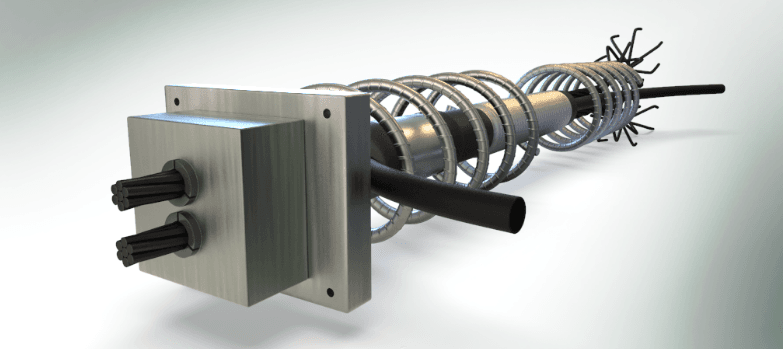
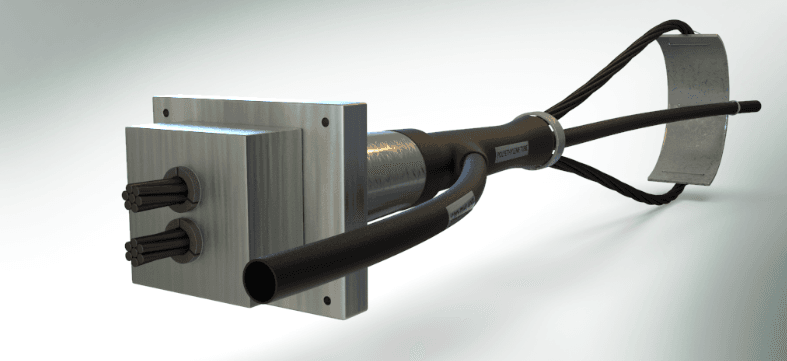
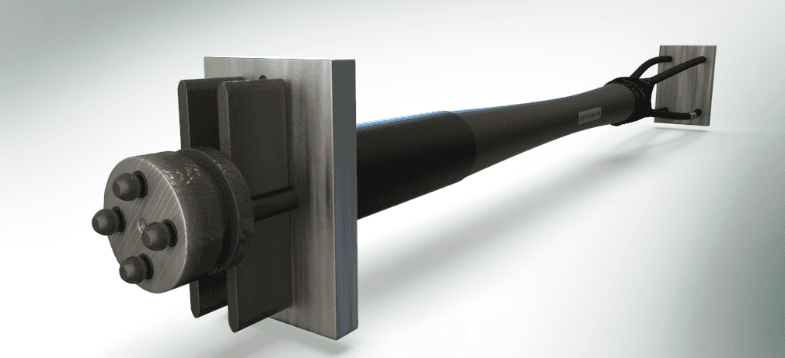
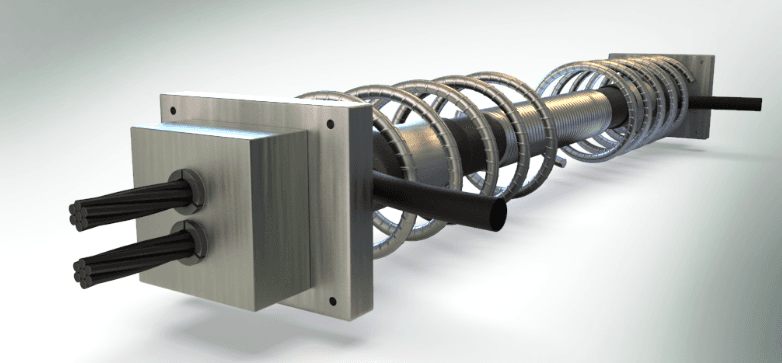
Tendons (wire, strand or cable) are placed in conduits at the proper location. Concrete is then placed in the forms around the tendons and allowed to harden to the required strength (usually between 5 to 7 days). After the concrete has hardened, the pre-stressing steel which is separated from the concrete by paper, plastic or metal sheathing is stressed or stretched by a hydraulic jack which pushes directly against anchorage imbedded in the hardened concrete. The force in the stretched steel is permanently transferred to the concrete through the anchorage devices at the end of the concrete casting. The application of stressing forces to the structure is done at the job site.